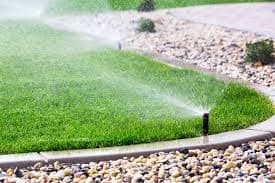
Irrigation System Maintenance Tips for North Georgia Homeowners
Your Irrigation System Needs Attention Too
A properly maintained irrigation system saves water, saves money, and keeps your lawn and landscape consistently hydrated. But most homeowners set it and forget it — until brown spots appear or the water bill spikes. Here's how to keep your system in top shape through every North Georgia season.
Spring Startup (March - April)
After winter, your system needs a full checkup before heavy use begins. Turn on each zone individually and walk the property. Look for:
- Broken or tilted sprinkler heads (winter freezes and foot traffic are the usual culprits)
- Heads that aren't popping up fully or are spraying in the wrong direction
- Soggy areas near valve boxes that indicate a leak
- Controller settings that need updating for spring watering schedules
Replace any damaged heads immediately. A single broken head can waste hundreds of gallons per month and create an uneven watering pattern that shows up as brown and green stripes in your lawn.
Summer Optimization (May - August)
North Georgia summers are hot and humid. Your irrigation strategy should account for both:
- Water early morning (5-8 AM) to minimize evaporation and fungal risk
- Deep, infrequent watering beats shallow daily watering — aim for 1 inch per week total
- Adjust zones separately — full sun areas need more than shaded areas
- Skip a cycle after heavy rain — a rain sensor or smart controller handles this automatically
Fall Adjustment (September - November)
As temperatures drop and growth slows, reduce your watering schedule gradually. Overwatering in fall promotes fungal disease (especially brown patch, which is rampant in North Georgia). Most lawns need roughly half the summer watering volume by October.
Winter Shutdown (December - February)
North Georgia gets occasional hard freezes. While we're not as freeze-prone as states further north, a single night in the low 20s can crack pipes and damage backflow preventers. Winterization involves blowing out the lines with compressed air and insulating above-ground components. It takes about an hour and prevents hundreds of dollars in spring repairs.
When to Call a Pro
You can handle head adjustments and schedule changes yourself. But line leaks, pressure problems, controller malfunctions, and zone additions are best left to a licensed irrigation technician. We diagnose issues fast and fix them right — no guesswork, no unnecessary upselling.
READY TO GET STARTED?
Whether you need lawn care, hardscaping, or a full property transformation — we're here to help.
GET YOUR FREE ESTIMATE